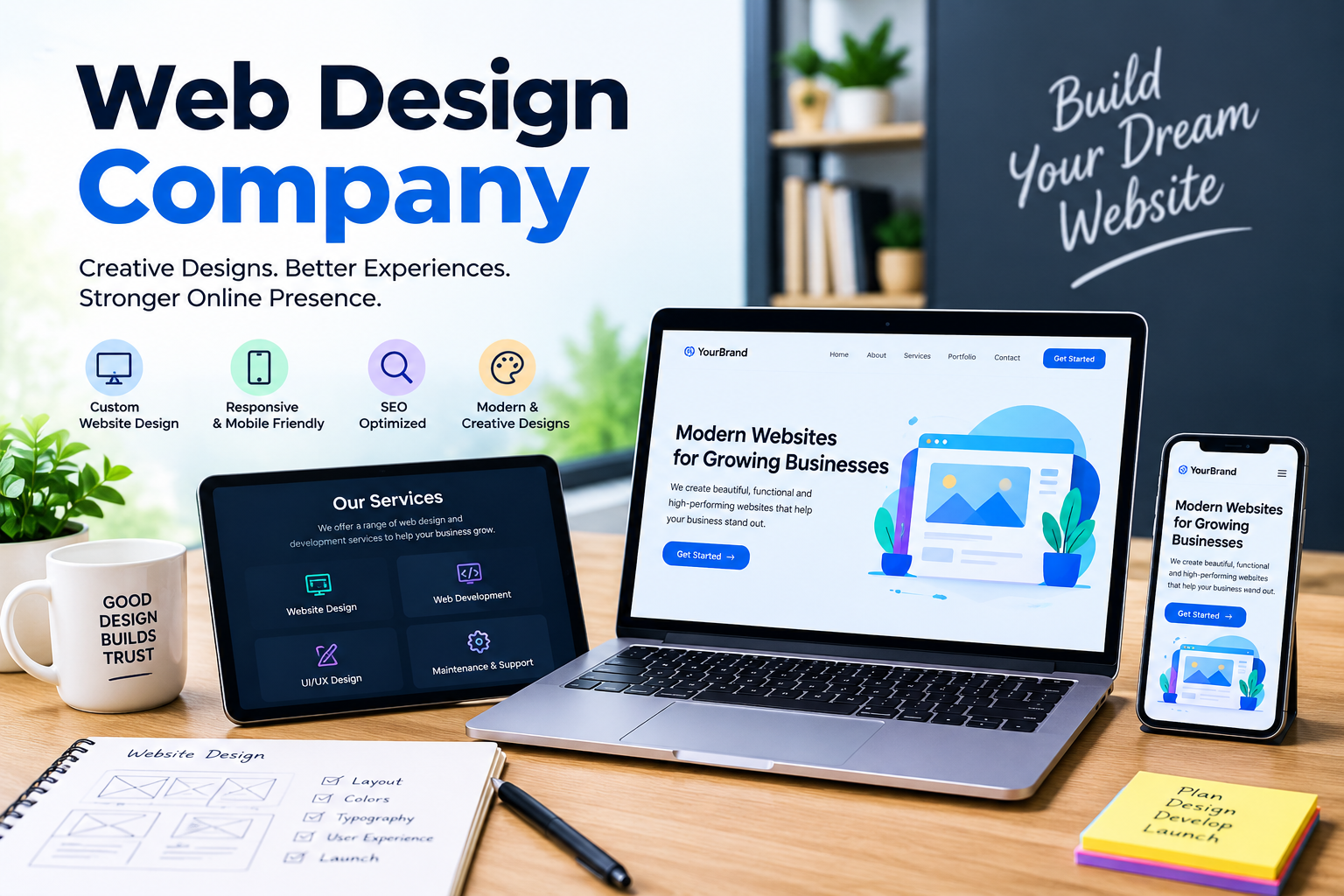
In today’s digital landscape, I believe a business website needs to do more than look attractive. It should deliver a smooth user experience, communicate brand value, and turn visitors into customers. As technology and customer expectations evolve, keeping up with the latest web design trends helps businesses stay competitive and build lasting online relationships.
At JDM Web Design Company, I recognize the importance of combining modern aesthetics with functionality, accessibility, and performance. From AI-powered personalization to immersive visuals, the following web design trends can help businesses create websites that meet the needs of today’s digital audiences.
AI-Powered Website Experiences
Artificial intelligence is changing how businesses approach website design. I see AI-powered chatbots, personalized recommendations, and intelligent search features becoming increasingly useful for improving customer interactions.
These tools can help visitors find relevant information, receive quick answers, and discover suitable products or services. AI can also assist with content planning and design workflows, allowing businesses to work more efficiently. However, I recommend maintaining a human-centered approach so that automation supports genuine customer needs rather than making the experience feel impersonal.
Minimalist Designs with Clear Messaging
Minimalism remains an effective web design approach because it removes unnecessary distractions and highlights important information. I prefer clean layouts, readable typography, purposeful white space, and simple navigation that guides visitors naturally.
A minimalist website can help users understand a business’s offerings without feeling overwhelmed. Clear headlines, concise content, and strategically placed calls to action also make it easier for visitors to take the next step.
Mobile-First and Responsive Design
With many people browsing websites on smartphones, mobile-first design is essential. I recommend designing for smaller screens first and then adapting the layout for tablets and desktops.
Responsive layouts, touch-friendly buttons, readable text, and optimized images help create a consistent experience across devices. I also prioritize fast loading times because slow pages can frustrate visitors and contribute to higher abandonment rates.
Businesses should regularly test their websites across different screen sizes to identify usability issues and ensure that essential features work correctly.
Micro-Interactions and Subtle Animations
Small animations can make a website feel more engaging when used thoughtfully. Examples include buttons that respond when clicked, smooth transitions between sections, progress indicators, and subtle hover effects.
I use these elements to provide visual feedback and help visitors understand how to interact with a page. However, I avoid excessive animation because it can distract users, affect performance, and create accessibility challenges. Every movement should serve a clear purpose.
Accessibility-Focused Web Design
Accessibility is an increasingly important part of effective website design. I believe businesses should create digital experiences that people with different abilities can navigate comfortably.
Useful practices include providing descriptive alternative text for meaningful images, maintaining sufficient color contrast, supporting keyboard navigation, and using clear headings. Captions for videos and descriptive form labels can also improve usability.
An accessible website can reach a wider audience while demonstrating a commitment to inclusive digital experiences.
Faster Websites and Performance-Driven Design
Visual appeal matters, but performance is equally important. I focus on optimized images, efficient code, reliable hosting, and reduced unnecessary scripts to help websites load quickly.
I also recommend monitoring Google’s Core Web Vitals, which evaluate important aspects of loading performance, responsiveness, and visual stability. These measurements can help identify opportunities to improve the user experience.
A faster website makes it easier for visitors to explore content, interact with features, and complete important actions.
Bold Typography and Authentic Visuals
Typography is becoming a powerful tool for expressing brand personality. I recommend using distinctive but readable fonts, strong headings, and a clear visual hierarchy to make important messages stand out.
Authentic photography, custom illustrations, and carefully selected brand visuals can also help businesses appear more recognizable and trustworthy. Instead of adding visuals simply for decoration, I choose imagery that supports the message and connects with the intended audience.
SEO-Friendly and Conversion-Focused Design
Modern web design should support both discoverability and business growth. I prioritize logical page structures, descriptive headings, internal links, accessible navigation, and content that answers real customer questions.
These practices can help search engines understand website content while making information easier for visitors to find. I also recommend placing relevant calls to action where users naturally need them, such as after explaining a service or answering a common concern.
For businesses exploring professional solutions, a professional web design company for modern, responsive, and SEO-friendly business websites can help align visual design with practical business goals.
Frequently Asked Questions (FAQs)
What is the biggest web design trend businesses should follow?
I recommend prioritizing mobile-first, user-focused design. A website should be easy to navigate, accessible, fast, and clear about what the business offers.
How often should a business update its website design?
I recommend reviewing website performance and usability regularly and considering a redesign when the site looks outdated, performs poorly, or no longer supports business goals. Minor improvements can be made throughout the year.
Does modern web design help SEO?
Yes. Responsive layouts, good performance, accessible navigation, logical content structure, and helpful content can support SEO. However, design alone cannot guarantee higher rankings.
Should small businesses invest in AI-powered website features?
I recommend starting with features that solve specific customer problems, such as answering common questions or improving website search. Businesses should evaluate usefulness, cost, privacy, and maintenance before adopting new tools.
Ready to Modernize Your Business Website?
I believe the best website combines current design trends with a clear understanding of customer needs. By investing in responsive layouts, accessibility, performance, and meaningful interactions, businesses can build stronger digital experiences and support long-term growth.
If you are ready to improve your website’s design, usability, and online presence, contact our web design team to discuss your business website goals. JDM Web Design Company can help you explore practical design solutions tailored to your brand, audience, and business objectives.