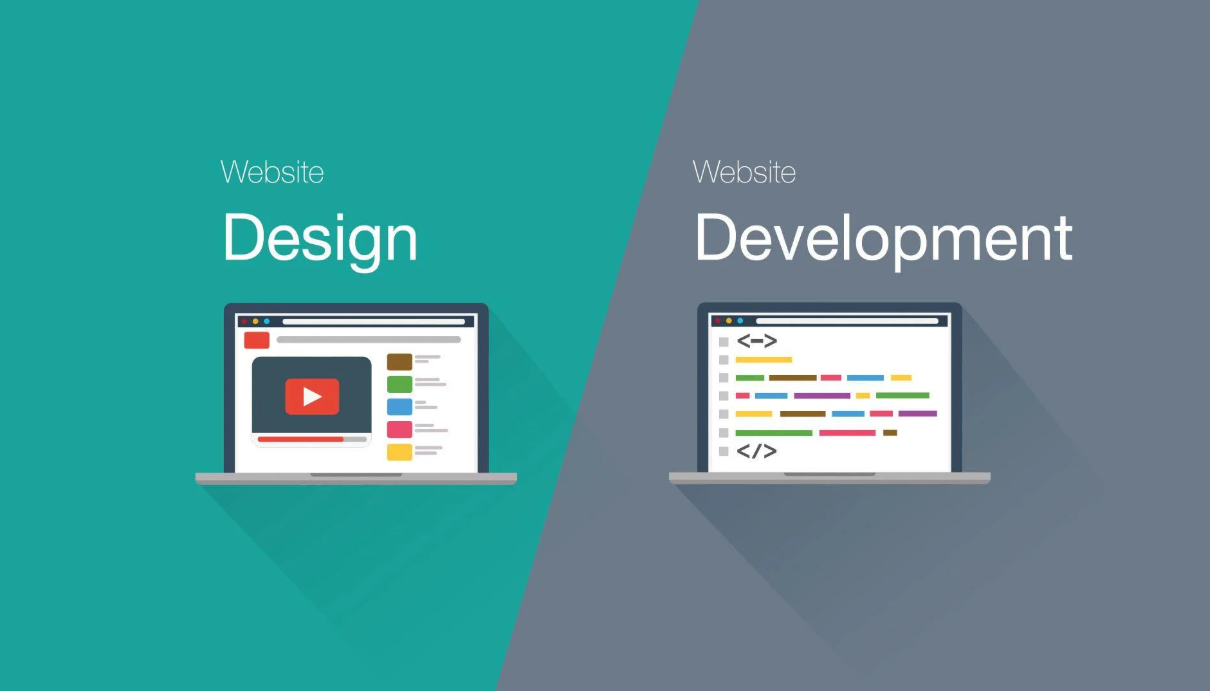
As someone who has worked in the web design industry for years, I’ve seen it all—beautiful websites that failed to convert visitors into customers, and other poorly designed sites that caused businesses to lose credibility. It’s not just about how a website looks; it’s about how it functions and how it communicates your brand to the audience.
Here are some common web design mistakes that could hurt your business and how to avoid them:
1. Cluttered Layouts
One of the biggest mistakes a business can make is overcrowding the website with too much information. While it’s tempting to include every bit of data about your business, a cluttered website can overwhelm visitors and drive them away. When users can’t find what they’re looking for quickly, they’re likely to leave.
A clean, organized layout with enough white space helps users focus on what’s important. Prioritize your content, make navigation intuitive, and ensure that key information is easy to find. Simplicity can be the best approach in guiding users toward a specific action.
2. Slow Load Times
In the digital age, patience is short. If your website takes too long to load, potential customers will bounce before they even see what you offer. Research shows that a one-second delay can result in a significant drop in conversion rates.
Optimizing your website for speed is crucial. You can compress images, minimize HTTP requests, use proper file types, and invest in quality hosting. Testing your site’s speed regularly and addressing any issues will go a long way in providing a positive user experience.
3. Non-Responsive Design
With mobile browsing continuing to rise, it’s essential that your website is mobile-friendly. A website that isn’t responsive on smartphones or tablets not only frustrates users but also hurts your search engine ranking. Google prioritizes mobile-optimized sites in its search results, meaning a non-responsive design could hurt your visibility.
Make sure your site adjusts seamlessly to different screen sizes. This can be achieved by using responsive design practices, ensuring that images, text, and navigation work smoothly across all devices.
4. Poor Navigation
If your website’s navigation is confusing or difficult to use, visitors may not stay long enough to engage with your content or products. A good navigation system should allow users to find what they’re looking for in just a few clicks.
Make sure your menu is simple and categorized logically. Don’t bury important information in deep submenus, and avoid overwhelming users with too many options. Clear, concise labeling of menu items is also key to helping users understand where to find information quickly.
5. Overuse of Stock Photos
While stock photos can be helpful in certain situations, overusing them can make your website feel impersonal or generic. Customers want to feel connected to your brand, and images of happy, smiling people in suits may not always reflect your brand’s true identity.
Instead, use authentic, high-quality images that showcase your business, products, or services. If possible, invest in custom photography that aligns with your brand message. Authentic visuals resonate better with users and can enhance trust in your brand.
6. Ignoring SEO Fundamentals
Having a beautiful website is pointless if no one can find it. Search engine optimization (SEO) is an essential part of web design that’s often overlooked. Without SEO, your website may not rank well on search engines, limiting the visibility of your business.
Incorporating SEO best practices from the beginning of your design process will help your site perform better in search results. This includes optimizing page titles, meta descriptions, URLs, alt text for images, and ensuring that your content is relevant and keyword-rich.
7. Lack of Clear Calls-to-Action
If your website visitors don’t know what to do next, they may leave without taking any action. A strong call-to-action (CTA) guides visitors toward the next step, whether it’s purchasing a product, signing up for a newsletter, or contacting you for more information.
CTAs should be clearly visible, concise, and action-oriented. Whether it’s “Shop Now,” “Request a Quote,” or “Contact Us,” ensure that the CTA stands out on the page and leads users to the next logical step in their journey.
8. Not Testing for Usability
A website might look great, but if it’s not easy to use, it can hurt your business. Usability testing is crucial to ensure that users can navigate your site effortlessly. This includes checking for broken links, testing forms to make sure they’re functional, and ensuring that all interactive elements work as expected.
Testing your website on different browsers and devices will help identify any technical issues that could hinder user experience. You want your website to be accessible and functional for all users.
9. Ignoring Analytics
Many businesses neglect to set up proper analytics to track how their website is performing. Without data, you can’t measure the success of your design or understand where improvements are needed.
Google Analytics is a free and valuable tool for tracking key metrics such as visitor behavior, traffic sources, bounce rates, and conversion rates. By analyzing this data, you can make informed decisions on how to tweak your website for better performance.
10 Not Updating Content Regularly
A static website with outdated content can make your business look inactive or out of touch. It’s important to keep your website content fresh, whether it’s updating product offerings, adding blog posts, or revising service information.
Regular updates help improve your SEO rankings and show customers that your business is active and engaged. Additionally, a blog or resource section allows you to share relevant industry news or tips, positioning your business as an authority in your field.
Conclusion
Web design is much more than just creating an attractive page; it’s about creating a user-friendly experience that encourages visitors to engage with your business. Avoiding these common web design mistakes will help you build a website that not only looks good but also functions effectively, builds trust with your audience, and ultimately drives business success.
If you’re looking for expert web design services, JDM Web Design Company specializes in creating websites that are both aesthetically pleasing and highly functional. A website that works well for your business will help you attract and retain customers, so make sure your design is up to the task.